

In the world of fashion, few accessories embody both effortless elegance and timeless charm like the rattan bag. Its rise to icon status can be traced back to the late 1960s when Jane Birkin, the style muse of a generation, was famously photographed carrying a handwoven rattan basket as her everyday bag. That exact moment marked the beginning of rattan’s legacy in fashion. Decades later, the rattan bag remains a beloved accessory, admired not only for its natural appeal but also for the craftsmanship behind every weave. From the shores of Saint-Tropez to the streets of Tokyo, rattan bags have proven they’re not just a passing trend, they’re fashion’s evergreen companion.
What many don’t realize is that behind every beautiful rattan accessory is a natural wonder. Where Indonesia becomes the home of the finest of them all.
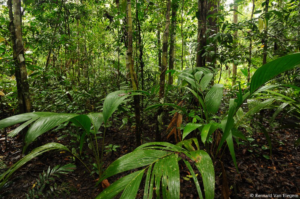
Indonesia is the largest producer of natural rattan in the world, supplying over 80% of the global demand. The majority of it comes from the lush tropical forests of Kalimantan, Java, and Sulawesi, where rattan vines grow abundantly in the wild, without the need for artificial irrigation or pesticides. This makes it not only naturally renewable but also an environmentally friendly resource.
What sets Indonesian rattan apart from varieties found in other countries is its superior texture and strength. Unlike plantation-grown rattan, Indonesian rattan develops in dense jungle environments, which gives it a more flexible yet durable structure, ideal for intricate weaving, yet sturdy enough to stand the test of time. Its natural resilience and rich color also make it a preferred material for artisans and designers around the world.
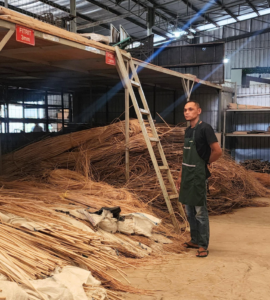
Beyond the raw material, Indonesia is also the home to centuries-old traditions of rattan craftsmanship. In many regions, especially in Central Java and Kalimantan, rattan weaving is a generational skill, passed down from parent to children. These traditions trace back as far as the Indonesian kingdoms, where woven goods were not only used for daily life but also served ceremonial and cultural functions. Every knot, loop, and pattern reflects the wisdom and precision of artisans who have inherited their craft through stories, practice, and pride. These skills are more than just techniques, they are the living legacies of Indonesian culture.
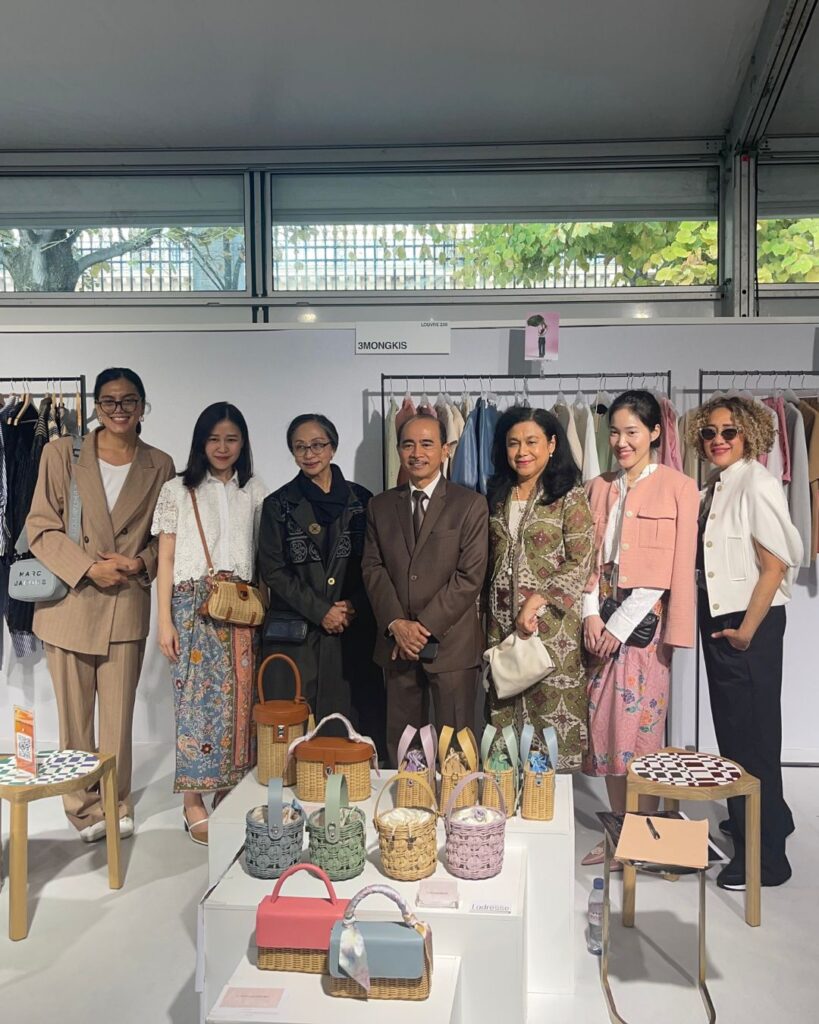
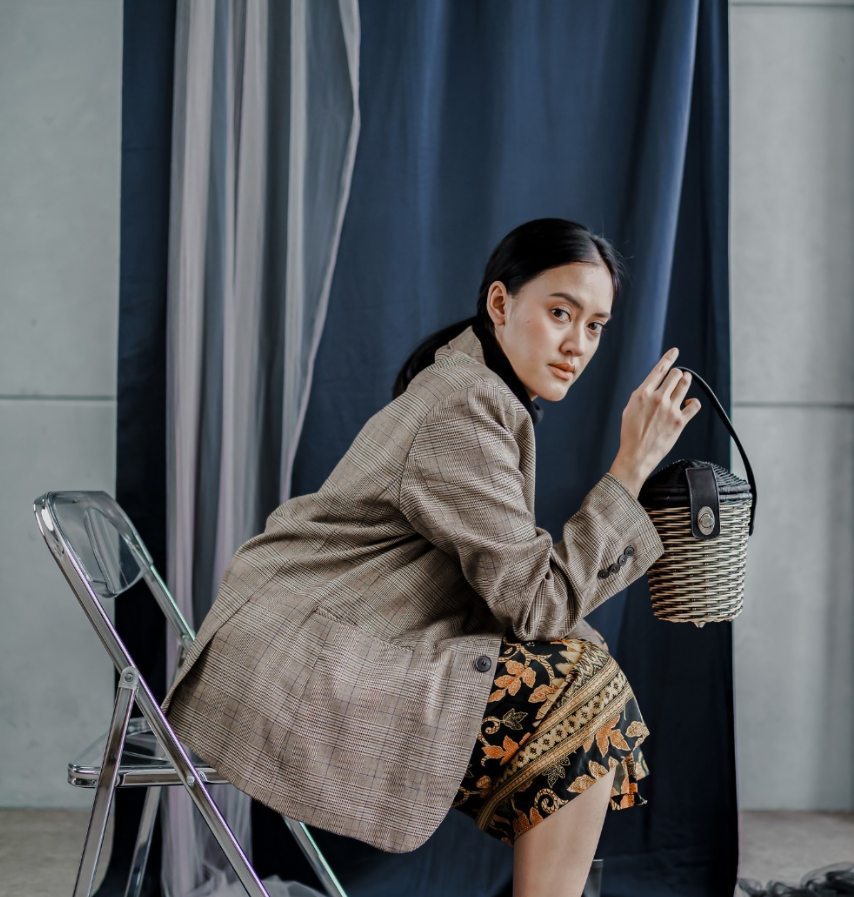
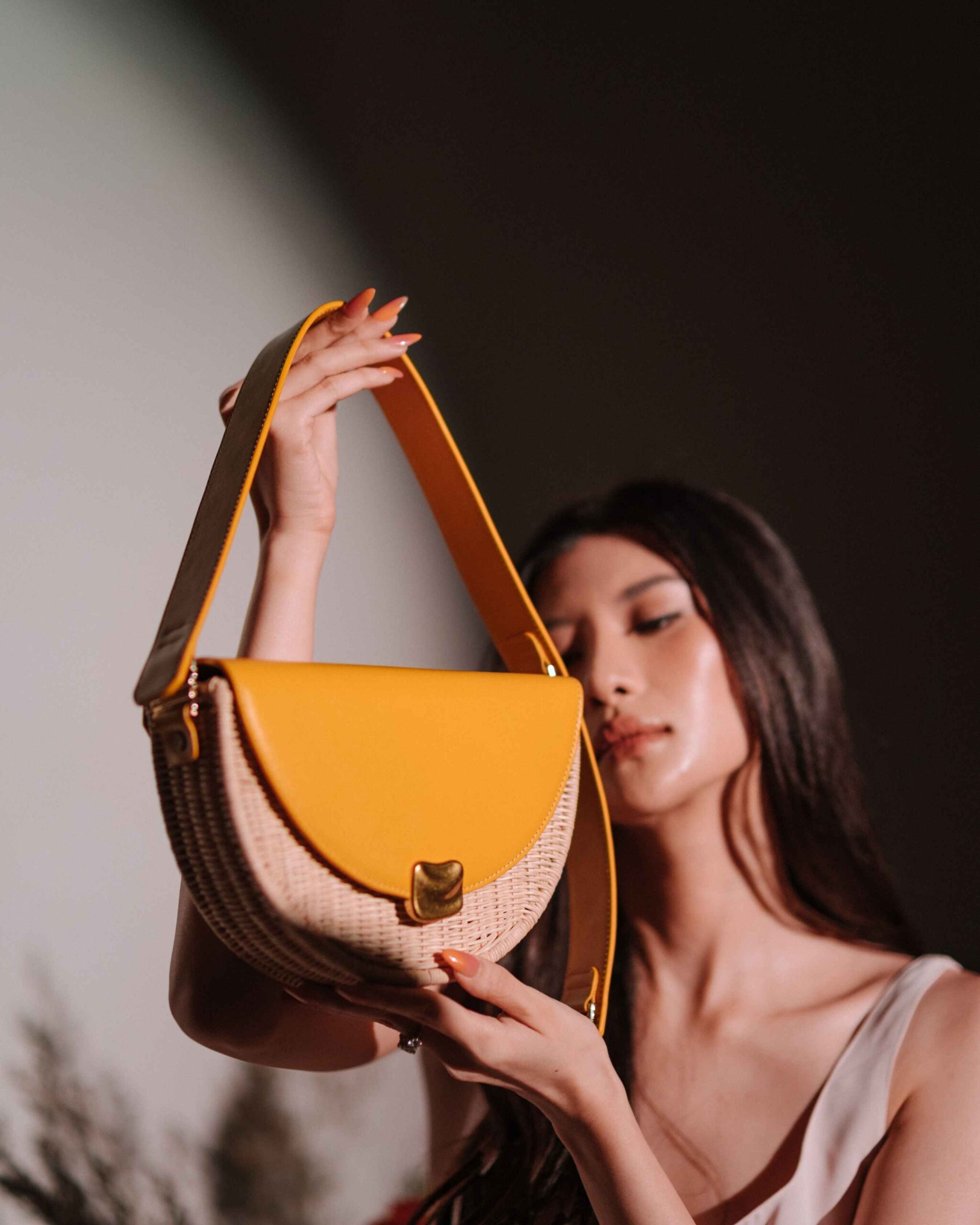
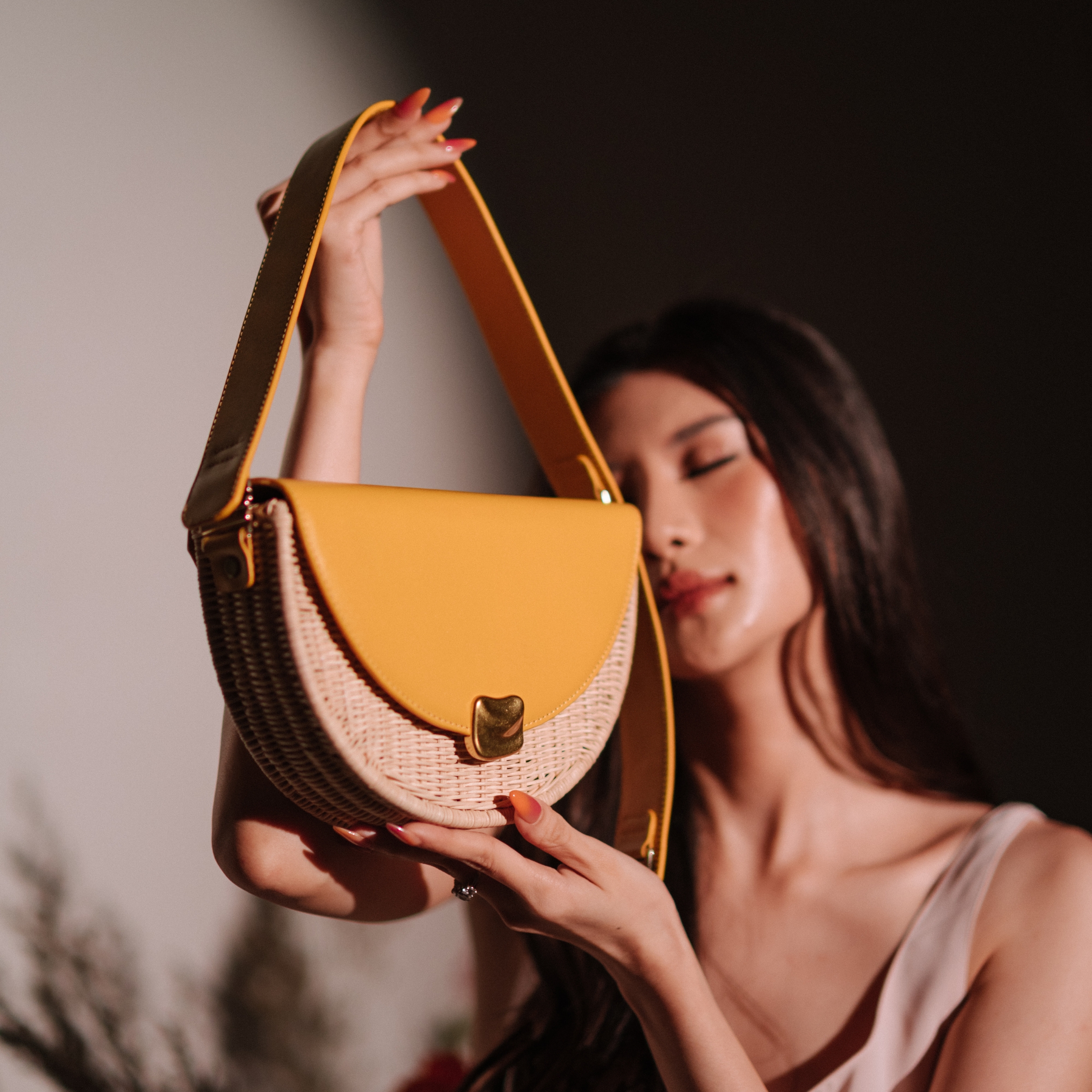
At Long Story Short, this rich heritage becomes the foundation for modern fashion. The brand is committed to upscaling high-quality rattan from Kalimantan into award-winning handmade fashion bags that blend traditional values with contemporary design. Each bag is handcrafted by skilled local artisans, whose techniques are rooted in generational heritage but elevated through thoughtful, modern design. From the strong, structured silhouettes of Anya and Ajeng, to the everyday versatility of Margie, every Long Story Short bag tells a deeper story of the land, the people, and the purpose behind each creation.
More than just a fashion trend, rattan represents a way of life, a reflection of sustainability, culture, and craftsmanship. In an era where fashion is being redefined by ethics and authenticity, rattan bags made by skilled hands are a powerful reminder that luxury doesn’t have to cost the Earth. By continuing to champion Indonesian rattan, we are not only preserving a craft but also elevating local stories to a global platform. And as Long Story Short continues to weave new chapters in this journey, one thing remains clear that what’s woven with soul will always stand the test of time.